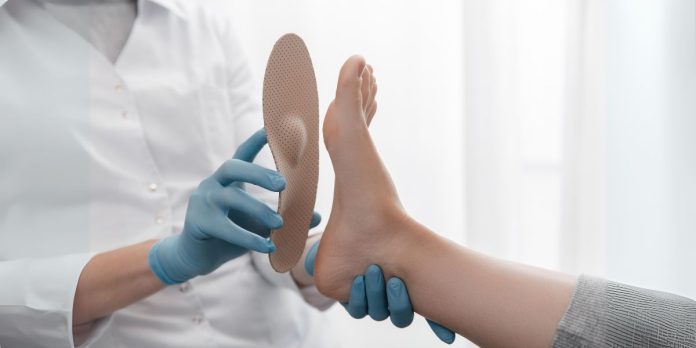

Foot fatigue often feels like a normal part of a long day, especially for people who stay on their feet. Subtle changes in how that fatigue shows up can point to something more than simple tiredness. Early signs of plantar fasciitis tend to appear gradually, making them easy to overlook without the right awareness.
What Early Foot Fatigue Reveals About Plantar Strain
Early fatigue in the feet can reflect stress building along the plantar fascia, the band of tissue that supports the arch. Repeated pressure stretches this tissue beyond its normal limits, creating small areas of strain. A plantar fasciitis specialist often sees patients who describe tired feet long before pain becomes sharp or constant. This early fatigue may feel like a dull ache that worsens with activity. A podiatrist in Decatur AL can identify these patterns and explain how strain develops over time. Recognizing early fatigue allows for intervention before more serious symptoms appear.
How Daily Soreness Points to Developing Heel Pain
Consistent soreness at the end of the day often signals that the heel is absorbing more stress than it should. The plantar fascia attaches near the heel, making this area especially sensitive to overuse. A plantar fasciitis doctor may notice that soreness becomes more focused in this region as the condition progresses. Daily discomfort that does not fully resolve overnight can indicate that the tissue is not recovering properly. A Decatur podiatrist can evaluate these symptoms and determine whether early plantar fasciitis is developing. Tracking soreness patterns helps guide appropriate care.
Why Tired Feet After Rest May Signal Tissue Stress
Fatigue that persists even after rest can indicate deeper tissue stress rather than simple overuse. Normally, rest allows muscles and connective tissue to recover. When fatigue remains, it suggests that the plantar fascia is under ongoing strain. A plantar fasciitis specialist may explain that this type of fatigue reflects microtears that have not healed. A podiatrist in Decatur AL often sees patients who notice discomfort returning quickly after periods of inactivity. Persistent fatigue after rest should not be ignored, as it may signal early structural changes within the foot.
The Role of Overuse in Early Plantar Discomfort
Repetitive activity places continuous pressure on the bottom of the foot. Walking, standing, or running for extended periods can gradually increase stress on the plantar fascia. A plantar fasciitis doctor often identifies overuse as a key factor in early discomfort. Without adequate recovery time, the tissue becomes less able to handle repeated strain. A Decatur podiatrist may recommend adjustments to activity levels or footwear to reduce stress. Understanding the role of overuse helps prevent further damage and supports recovery before symptoms worsen.
Signs Foot Fatigue Is More than Normal Wear
Not all foot fatigue indicates a medical issue, but certain signs suggest something more serious. Fatigue that becomes localized, persistent, or progressively worse may point to developing plantar fasciitis. A plantar fasciitis specialist looks for patterns such as pain that increases with activity or stiffness that limits movement. A podiatrist in Decatur AL can distinguish between normal wear and early signs of strain. Recognizing these differences allows for timely evaluation. Paying attention to changes in how fatigue feels can help identify when professional care is needed.
How Morning Stiffness Connects to Early Fascia Issues
Morning stiffness often provides a clear indicator of plantar fascia involvement. After a night of rest, the tissue tightens slightly, making the first steps of the day uncomfortable. A plantar fasciitis doctor frequently hears patients describe sharp or stiff sensations upon waking. This stiffness typically improves with movement but returns after periods of inactivity. A Decatur podiatrist can assess whether this pattern aligns with early plantar fasciitis. Morning symptoms offer valuable insight into how the tissue responds to rest and activity.
Understanding Load Stress on the Bottom of the Foot
The bottom of the foot تحملs body weight with every step, placing continuous load on the plantar fascia. Uneven distribution of weight can increase stress in certain areas, leading to fatigue and discomfort. A plantar fasciitis specialist evaluates how load is applied during walking or standing. A podiatrist in Decatur AL may use this information to recommend supportive measures that improve balance. Proper load distribution reduces strain and supports healthier movement patterns. Understanding how weight affects the foot helps explain why fatigue develops in specific areas.
The Impact of Poor Support on Long Term Foot Strain
Footwear and surface support play a major role in how the plantar fascia responds to daily activity. Shoes that lack proper cushioning or arch support can increase strain over time. A plantar fasciitis doctor often identifies poor support as a contributing factor in early symptoms. A Decatur podiatrist may recommend footwear that improves alignment and reduces pressure. Long-term strain can develop gradually when support is inadequate. Addressing this factor early helps protect the foot and reduce the risk of ongoing discomfort.
Individuals experiencing persistent foot fatigue often benefit from evaluation at The Foot Clinic, where specialists focus on identifying early signs of plantar fasciitis. Their team provides targeted care based on how symptoms develop and respond to daily activity. By offering guidance on support, activity adjustments, and treatment options, The Foot Clinic helps patients manage foot strain before it progresses into more severe pain.