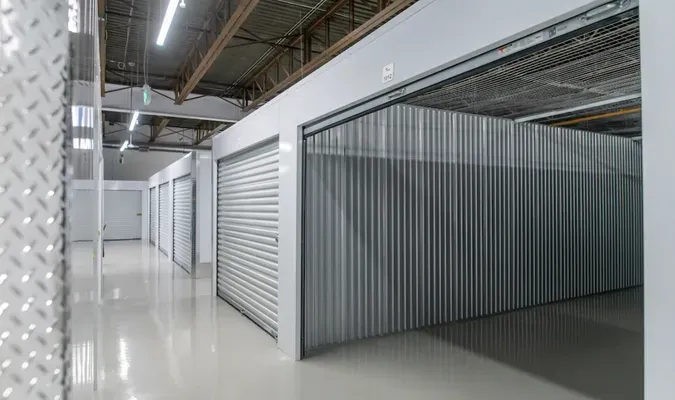

Overflowing closets and crowded garages push many households toward renting extra storage space. Personal belongings stay in better condition when stored correctly, but poor storage habits can quietly damage valuable items over time. Smart packing decisions inside storage units help prevent odors, moisture problems, pests, and expensive replacement costs later.
Why Food Products Create Bigger Problems Than People Expect
Packaged food may seem harmless inside storage units, yet crumbs, canned goods, and pet food often attract insects and rodents surprisingly fast. Even sealed containers can leak odors that spread through enclosed spaces and create sanitation issues throughout the facility. Dry goods also spoil faster when exposed to changing temperatures for extended periods.
Opened drink containers create additional risks because hidden leaks may stain boxes, weaken cardboard, and encourage mold growth. Families searching for storage units near me sometimes overlook how quickly food-related items can trigger pest problems. Removing anything edible usually helps maintain cleaner and safer storage conditions long term.
Electronics Can Suffer Without Stable Temperatures
Televisions, gaming systems, laptops, and speakers react poorly to heat swings and excess humidity inside enclosed spaces. Sensitive internal components may corrode slowly when moisture levels rise during warmer months. Battery leakage also damages electronics that remain unused for extended periods without proper preparation.
Climate controlled storage helps reduce temperature stress for electronics, especially during seasonal weather changes. Delicate screens and wiring generally last longer inside regulated environments rather than standard units exposed to fluctuating conditions. Protective wrapping and elevated shelving further reduce accidental impact damage during long-term storage periods.
Are Flammable Materials Safe Inside Storage Units?
Gasoline, propane tanks, paint thinners, fireworks, and cleaning chemicals create serious fire hazards inside enclosed storage environments. Many facilities prohibit combustible products because fumes can spread quickly between neighboring units. Temperature shifts may also increase pressure inside sealed containers, raising safety concerns significantly.
Lawn equipment sometimes becomes problematic because fuel residue remains inside engines even after use. Draining fluids completely before storage helps reduce risks tied to flammable vapors. Responsible storage practices protect not only personal belongings but also surrounding units and facility staff working nearby.
Moisture Traps Often Ruin Furniture and Fabrics
Plastic wrapping seems protective at first, yet tightly sealed coverings frequently trap moisture around furniture, mattresses, and fabric items. Trapped humidity may lead to mildew growth, unpleasant odors, and discoloration that becomes difficult to remove later. Upholstered items suffer especially fast in poorly ventilated spaces.
Breathable covers and airflow gaps usually work better for long-term furniture storage. Climate controlled storage also helps preserve wood finishes, leather materials, and fabric textures by reducing excessive humidity. Simple spacing between items often prevents moisture buildup from spreading throughout the unit.
Important Documents Need Better Protection Than Cardboard Boxes
Birth certificates, passports, legal paperwork, photographs, and tax records often deteriorate inside ordinary containers exposed to humidity. Ink fading, paper warping, and mold damage can affect irreplaceable documents before people realize conditions have changed inside the unit. Flooding or roof leaks may create additional risks unexpectedly.
Water-resistant containers provide stronger protection for sensitive paperwork during extended storage periods. Elevated shelving also keeps documents away from concrete floors where moisture sometimes accumulates. Families using storage units near me for personal archives often benefit from climate controlled storage because paper materials react strongly to environmental changes.
What Happens When Appliances Are Stored Incorrectly?
Refrigerators, washing machines, and dishwashers frequently retain hidden moisture after use. Closed appliance doors trap lingering humidity that may produce mold, rust, and foul odors over time. Leftover water inside hoses or drainage areas sometimes causes internal damage during long storage periods.
Cleaning and drying appliances thoroughly before storage helps prevent unwanted moisture problems. Slightly open doors usually improve airflow while reducing stale odors inside enclosed compartments. Proper preparation also makes appliances easier to use again once removed from storage later.
Living Creatures and Plants Rarely Survive Storage Conditions
Plants struggle inside enclosed storage spaces because sunlight, airflow, and watering schedules disappear quickly. Dry air and fluctuating temperatures often kill indoor plants within short periods. Soil may also attract insects that spread throughout neighboring storage units unexpectedly. Animals should never remain inside storage spaces for any length of time due to limited ventilation and unsafe environmental conditions. Storage facilities generally prohibit pets and living creatures entirely for both legal and safety reasons. Safe storage practices focus strictly on inanimate household belongings rather than living organisms.
Overstacking Boxes Can Damage More Than Just Packaging
Heavy stacking creates pressure that crushes weaker containers underneath while increasing the chance of items tipping unexpectedly. Broken glass, damaged decorations, and cracked electronics often result from unstable packing arrangements. Overcrowded storage units also make retrieval difficult because access paths disappear quickly.
Balanced organization usually protects belongings more effectively than forcing extra items into limited space. Shelving systems and labeled containers improve accessibility while reducing accidental breakage during movement. Storage Partner helps families organize storage units more safely while offering climate controlled storage solutions designed to protect electronics, furniture, documents, and other household belongings from avoidable long-term damage.