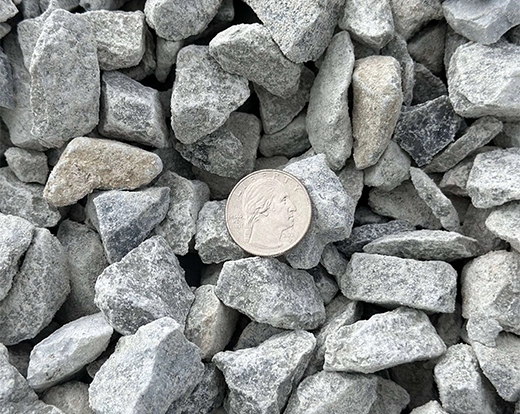

Stone shape affects far more than appearance once gravel reaches the ground. Sharp and smooth materials react differently under tires, foot traffic, water, and compaction equipment. Knowing how each type performs helps property owners avoid surfaces that shift, wash out, or feel unstable.
Why Angular Gravel Locks Together Under Pressure
Crushed angular gravel has sharp edges and uneven faces created during processing. Those rough surfaces catch against neighboring stones during compaction, forming a dense layer that resists sideways movement.
Driveways, parking pads, equipment routes, and shed bases often benefit from that interlocking action. Repeated wheel loads can still rearrange loose material, but a properly graded mix holds its shape better than smooth stone. Anyone searching for gravel delivery near me should mention whether the project needs structural support, since the supplier may recommend several particle sizes rather than one uniform grade.
Rounded Gravel Moves More Freely
Smooth gravel develops through natural weathering or mechanical processing that softens its edges. River rock and pea gravel are familiar examples, and their shape gives landscaped spaces a clean, natural appearance.
Because the pieces do not grip tightly, they tend to roll or spread under tires and sharp turns. Walking across a deep layer may also feel unstable as shoes push stones aside. Buyers comparing gravel for sale often select rounded material for garden borders, dry creek beds, decorative drainage zones, and low-traffic paths rather than busy driving surfaces.
Which Shape Handles Vehicle Traffic Better?
Vehicle traffic usually favors angular stone because compacted particles distribute weight and remain firmly positioned. A well-built base combines larger crushed rock below with a smaller graded top layer that fills voids and creates a smoother finish.
Rounded material can work in lightly traveled areas when edging contains it and the foundation is already strong. However, frequent braking, turning, or trailer movement may push smooth pieces toward the shoulders. Contractors arranging gravel delivery in Huntsville AL should account for vehicle type, expected traffic, and local soil before selecting a surface layer.
Drainage Performance Depends on More Than Shape
Both gravel types can drain water when the material is clean and open graded. Irregular channels between angular pieces carry runoff just as gaps between rounded stones do.
Fine particles change that performance quickly. Crusher dust and small fragments fill empty spaces, improving compaction but reducing water flow. Drainage trenches generally need washed aggregate, while road bases require a blend that binds together. People reviewing rock and dirt for sale should ask whether the stone is washed, screened, or mixed with fines.
Comfort and Appearance Favor Rounded Stone
Bare feet, pets, and casual foot traffic usually handle smooth gravel more comfortably than sharp crushed rock. Pool borders, courtyard accents, and landscaped beds often use rounded material because it provides fewer pointed edges.
Color becomes more noticeable with decorative stone, especially after rain brings out natural patterns. Larger river rock creates bold texture, whereas pea gravel produces a finer surface. Edging remains important because loose pieces can migrate into lawns, drains, and planting areas.
Angular Material Supports Foundations and Pads
Structural work requires aggregate that stays compacted beneath weight. Jagged gravel provides dependable support under concrete slabs, retaining wall bases, utility structures, and outdoor equipment when crews prepare the soil correctly.
Layer thickness still matters. Placing strong rock over soft topsoil will not prevent sinking, so installers remove organic material and rebuild weak spots first. Mechanical compaction in shallow lifts increases density throughout the base instead of hardening only the upper surface.
Maintenance Needs Differ Between the Two Shapes
Compacted surfaces may develop ruts or expose larger stones, but grading can usually pull displaced material back into place. Adding fresh aggregate restores the crown and replaces particles lost to traffic or runoff.
Decorative rounded gravel requires stronger containment wherever people or vehicles disturb it. Landscape edging, curbs, timber borders, or metal restraints keep the material from spreading. Planned rock and dirt delivery can provide matching stone for touch-ups without changing the established appearance.
Project Conditions Should Guide the Final Order
No single gravel shape performs best everywhere. Interlocking stone generally suits compacted bases and traffic areas, while smooth gravel fits decorative spaces, comfortable walkways, and open drainage features.
North Alabama Rock & Dirt supports residential, commercial, and landscaping projects with material sourcing, load coordination, quantity guidance, and dependable delivery throughout the Huntsville area. Their team helps customers plan orders around project size, site access, placement needs, and delivery timing, making it easier to keep outdoor construction and property improvement work moving without unnecessary delays.