
small but mighty
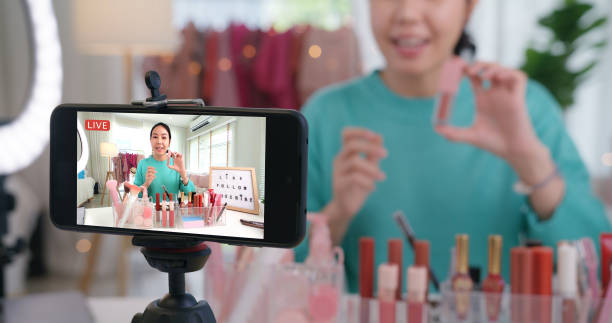
so like, micro-influencers are kinda the new big thing in marketing and honestly, it makes so much sense if you actually think about it. forget celebs with millions of followers — sometimes they feel fake, overhyped, sponsored by everything under the sun, and personally i start scrolling past them immediately. micro-influencers, usually 5k–50k followers, feel real, relatable, sometimes slightly chaotic, and people actually trust them. personally, i follow a few micro-influencers who make me want to try a new snack, a skincare product, a book, or even weird socks that i would never buy otherwise…sometimes i do it immediately, no shame. social media amplifies this — tiktok reels, IG stories, little community threads — people trust humans that seem human, not celebrities who get paid to smile at everything.
why brands love them
ok so brands realized that micro-influencers have way higher engagement rates than big celebrities. likes, comments, DMs, shares — people actually talk to them. personally, i bought a lip gloss last week just because a micro-influencer raved about it in a thirty-second reel, and honestly it was exactly what i wanted. social media loves this — brands post “our campaign with @tinybutawesome” and everyone freaks out because they actually know the influencer’s face and voice. it feels authentic. authenticity matters. small humans, big power. brands noticed that followers actually listen to micro-influencers instead of scrolling past.
authenticity matters
ok seriously, one huge reason micro-influencers work is authenticity. their content feels like a friend talking to you, not a billboard screaming “BUY THIS NOW.” personally, i ignore big celeb ads on instagram, twitter, tiktok, whatever, but i pay attention when a small influencer shows how they actually use a product in real life. like their story, their morning routine, their snack haul — tiny details that make it feel believable. social media amplifies this — reels, tiktoks, stories, unboxings — makes brand story feel human. sometimes it’s slightly exaggerated or overhyped, but usually fun. i even remember commenting on one reel “omg same with me!” and the influencer replied — tiny interaction, huge trust boost.
niche audiences
micro-influencers often specialize in niches — fitness, baking, tiny hobbies i didn’t even know existed, weird snacks from other countries, quirky home decor, dog fashion…brands love this because they can target exact audiences without wasting money. personally, i followed a micro-influencer who posts ONLY about quirky socks — now i own like 6 pairs i didn’t need but they’re cute. social media thrives on this niche content — small communities, big influence. one comment section can feel like a family of 200 people all hyped about the same product. meme potential everywhere.
cost-effective marketing
ok, not gonna lie, micro-influencers are cheaper than celebrity deals. sometimes free products or a small cash incentive is enough to get promotion. personally, i think brands save tons, reach real engaged audiences, and sometimes get viral content by accident. social media amplifies it — a tiny reel explodes for no reason and suddenly the brand is everywhere. honestly, sometimes the smaller the influencer, the bigger the organic reach because their engagement is so real.
engagement over numbers
it’s not about followers, it’s about engagement. micro-influencers respond to comments, start conversations, post polls, reply to DMs — humans interacting with humans. personal anecdote: i once asked a micro-influencer a question about a product and they actually replied with a thoughtful answer — felt like a celebrity moment but human, relatable. brands love this. social media loves this. cycle of trust, repeat. personally, i trust their advice more than a magazine ad.
personal trust
ok but seriously, humans trust humans. i’ve bought stuff, tried new apps, signed up for newsletters, downloaded games, all because of a tiny influencer recommendation. social media amplifies it — screenshots, duets, memes, reaction videos — free marketing sometimes. personally, it feels like a friend suggesting something, not an ad shoved into my feed. small recommendations feel personal. humans respond to personal. big brands learned this.
why it actually works
micro-influencers build communities, influence behavior, feel real, and create trust. personally, i’ve bought stuff, recommended it to friends, even posted my own reel inspired by a micro-influencer — brand growth happens organically. social media amplifies everything — memes, reactions, duets, comments — basically free marketing if done right. personally, i trust them more than any big celeb ever. small humans, big impact.
limitations tho
ok, not perfect. sometimes micro-influencers overhype, sometimes reach is slow, sometimes the brand mismatch feels awkward. personally, i unfollowed one who posted too many sponsored posts in a week — burnout happens. social media sometimes makes it worse — everyone sees the over-saturation immediately. brands have to be careful. micro-influencers aren’t magic. sometimes it backfires.
long-term relationships
brands now are investing in long-term relationships with micro-influencers, not just one-off posts. personally, i notice when an influencer posts a product over months and integrates it naturally — feels genuine, not forced. social media loves consistency — repeated exposure builds trust. personally, i’m more likely to try a product if i’ve seen it integrated naturally over time. big brands noticed — consistency + authenticity = engagement.
storytelling power
micro-influencers tell stories — their life, their journey, their day-to-day — and brands ride along. personally, i watched a micro-influencer show a morning routine with a brand’s coffee and immediately wanted to buy it. storytelling feels immersive. social media amplifies — reels, tiktoks, stories, threads. brands finally realized numbers alone don’t matter; narrative matters.
future possibilities
future looks wild. AI could help brands find perfect micro-influencers for niche campaigns, track engagement better, maybe even predict which influencer’s story will resonate. personally, i’m excited — micro-influencers feel like friendly neighbors showing cool stuff instead of billboards screaming at me. social media will keep hyping, brands will keep investing, humans will keep scrolling, clicking, buying. personally, i don’t see this trend slowing down.
viral potential
sometimes a small influencer posts something that explodes beyond expectations. personally, i’ve seen reels of a micro-influencer trying a small snack go viral — suddenly everyone wants it, brand growth spikes. social media loves this unpredictability — meme potential, shares, duets, comments, tagging friends — tiny accounts, huge ripple effect.
why it actually matters
so yeah, micro-influencers drive brand growth by being relatable, engaging, niche-focused, cost-effective, authentic, consistent, and narrative-driven. they turn followers into fans, clicks into sales, and social media hype into measurable results. personally, i trust them more than big celebs or ads, brands notice, and humans respond better when they feel human connection. small humans, big impact, and honestly, makes scrolling social media slightly more fun and educational.