
Home ownership comes with an ongoing list of things that need attention, and electrical issues have a way of jumping to the top of that list quickly. Unlike a squeaky door or a chipped tile, a faulty outlet or a tripping breaker carries real safety implications, which is part of why homeowners tend to move faster on electrical repairs than on other maintenance items once they notice a problem.
The category of residential electrical services covers both ends of that spectrum: quick repairs and larger installation projects. On the repair side, common calls include outlets that have stopped working, switches that feel loose or don’t reliably control their fixture, breakers that trip repeatedly, and flickering lights that don’t resolve with a simple bulb replacement. These issues might seem minor individually, but they’re often signs of underlying wiring problems, loose connections, or a panel reaching the end of its useful life.
Installation work tends to come up around specific life events. Moving into a new home often prompts a full electrical inspection to understand what’s actually behind the walls. Renovations, particularly kitchens and bathrooms, almost always require new circuits to support updated appliances and fixtures. Additions require entirely new wiring runs. And increasingly, homeowners are adding circuits specifically for EV chargers, standby generators, or home office setups that didn’t exist as standard needs when the home was originally built.
One thing that trips up homeowners handling this kind of work themselves is the assumption that if something turns on, it must be wired correctly. That’s not always true. Outlets can be wired with reversed polarity, missing grounds, or improper GFCI protection while still technically powering a lamp or a phone charger. These issues don’t announce themselves the way a completely dead outlet does, which is exactly why professional inspection catches things that casual observation misses.
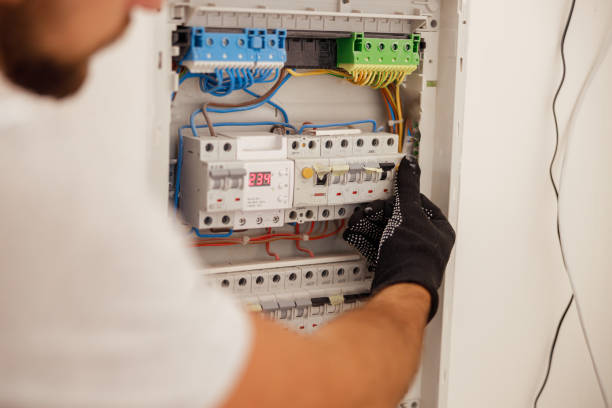
Panel condition is worth checking periodically too, even if nothing seems obviously wrong. Panels have a functional lifespan, and certain older models have known reliability issues that don’t always show symptoms until they fail outright. An electrician can look at a panel and tell you fairly quickly whether it’s in good shape, approaching the end of its useful life, or already showing signs of a problem worth addressing sooner rather than later.
Safety-focused installations, like GFCI outlets in kitchens and bathrooms and AFCI protection in bedrooms and living areas, have become standard code requirements in recent years, but a lot of older homes were built before these requirements existed. Updating a home to include this protection is a relatively affordable way to close a real safety gap, and it’s often bundled into other electrical work happening in the same areas of the house.
Whole-home surge protection is another addition worth considering, particularly for anyone with a lot of electronics, appliances, or smart home devices connected throughout the house. It installs at the panel level and provides a layer of protection against voltage spikes that individual surge protector strips can’t fully address.
When it comes to choosing who handles this work, licensing, insurance, and a willingness to explain findings clearly tend to be better indicators of quality than the lowest quote. Electrical problems that aren’t fixed correctly the first time often resurface, sometimes in more expensive or more dangerous ways.
Getting a second opinion on larger projects, like a full panel upgrade or a major rewiring job, is a reasonable step rather than an insult to the first contractor you spoke with. Estimates can vary based on how thoroughly a contractor assesses the situation, and a second look sometimes catches something the first one missed, in either direction.
It’s worth asking directly about warranty coverage on both parts and labor before signing off on any project, since a contractor who’s confident in their work will have clear, ready answers rather than vague reassurances.
Home insurance carriers occasionally require documentation of electrical work, particularly after an older home changes ownership or after a claim involving electrical damage. Keeping records of permits, inspections, and completed work from a licensed contractor makes this kind of documentation request considerably easier to satisfy when it comes up.
Repeat customers often mention that once they find an electrician who communicates clearly and does quality work, they stop shopping around for future projects entirely, preferring the consistency of working with someone who already understands their home’s history and quirks.
For rental property owners, keeping a consistent electrician across multiple units simplifies both maintenance and any tenant-reported issues, since the contractor already understands the general wiring patterns and panel types common across the portfolio rather than starting fresh at each property.
It’s also reasonable to ask whether a contractor offers any kind of loyalty or maintenance plan for ongoing electrical upkeep, since a scheduled annual check tends to catch small issues well before they turn into a repair call.
Neighborhood age also plays a role in what kind of issues tend to show up during a service call, and an electrician familiar with the typical construction era of homes in your specific area often diagnoses recurring problems, like a common wiring pattern from a certain decade, faster than someone unfamiliar with local housing trends.
Southaven Electrical Service handles both everyday repairs and larger installation projects for homeowners, with technicians who take time to explain what they find and why a particular fix or upgrade makes sense. If something in your home’s electrical system needs attention, or you’re planning a project that will require new circuits, reaching out for an assessment is a reasonable next step. Contact the team today for residential electrical services handled by someone who explains the work along the way.