
Entertainment has always adapted to technology. From radio broadcasts to cable television and now digital streaming, every generation experiences media differently. In today’s world, convenience has become one of the most important factors shaping how people watch television, movies, sports, and live events.
Modern audiences no longer want entertainment tied to one device or a fixed schedule. Instead, viewers expect instant access, flexible viewing options, and content that fits naturally into their daily routines. This shift has played a major role in the rise of internet-based streaming platforms and IPTV technology.
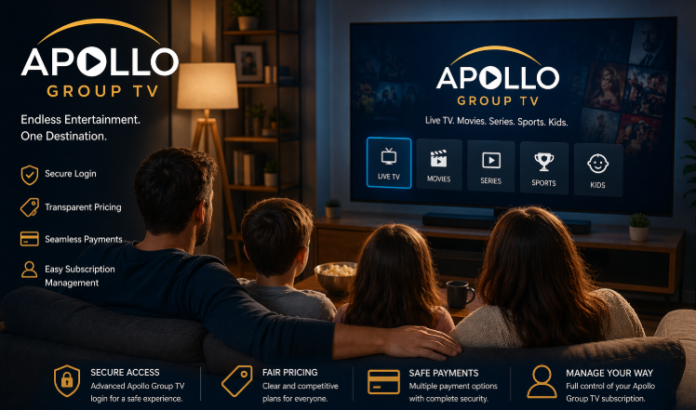
As digital entertainment continues evolving, platforms such as https://apollogroup-tv.com represent the growing demand for accessible streaming experiences designed around modern viewing habits.
The End of Traditional TV Routines
For decades, television schedules shaped evening routines in homes around the world. Families planned around broadcast times, and missing an episode often meant waiting for reruns.
Streaming services changed that completely.
Today’s audiences prefer entertainment that allows them to:
- Watch anytime
- Pause and continue later
- Access content across multiple devices
- Choose from larger libraries
- Personalize their viewing experience
This transformation reflects a broader cultural shift toward convenience and user control.
Why IPTV Has Become Increasingly Popular
IPTV, or Internet Protocol Television, delivers television content through internet connections instead of traditional cable or satellite systems.
Its popularity continues growing because it aligns with modern digital lifestyles. Users can stream live channels, movies, sports, and television series directly through connected devices such as:
- Smart TVs
- Smartphones
- Tablets
- Streaming devices
- Laptops and PCs
Unlike traditional television systems, IPTV combines internet flexibility with live entertainment access, creating a more adaptable viewing experience.
The Rise of Personalized Streaming
One of the biggest differences between modern streaming and traditional television is personalization.
Streaming platforms now use algorithms and viewing history to recommend content based on individual interests. Instead of scrolling through fixed channel schedules, viewers receive entertainment suggestions tailored to their preferences.
This has changed how people discover:
- Movies
- Television series
- Sports broadcasts
- Documentaries
- International content
Personalization has become a defining feature of modern entertainment platforms.
Multi-Device Viewing Changed Everything
Entertainment is no longer limited to a television in the living room. People now consume content throughout the day on multiple devices.
Modern viewing habits often include:
- Watching shows during commutes
- Streaming sports on mobile devices
- Viewing movies while traveling
- Switching between devices at home
This flexibility has transformed streaming into a highly portable entertainment experience.
As audiences increasingly move between smartphones, tablets, and smart TVs, streaming platforms continue improving cross-device compatibility.
Why Live Sports Continue Driving Streaming Growth
Sports remain one of the strongest reasons people subscribe to television services. The demand for live access to games and events has significantly influenced the development of internet-based streaming systems.
Modern viewers expect:
- Real-time broadcasts
- HD and 4K quality
- Mobile viewing access
- Multi-screen streaming
- Flexible viewing locations
This demand has pushed streaming providers to improve server infrastructure and playback reliability.
The Technology Behind Smooth Streaming
Although streaming appears simple to users, it relies on advanced technologies operating behind the scenes.
Adaptive Streaming
This technology automatically adjusts video quality depending on internet speed to reduce buffering.
Cloud Infrastructure
Cloud systems allow streaming platforms to support large content libraries and millions of users efficiently.
Content Delivery Networks
CDNs distribute traffic across global servers to improve playback stability and loading times.
Smart Recommendation Systems
Artificial intelligence helps platforms suggest content based on user preferences and viewing behavior.
These innovations have significantly improved the quality and reliability of digital streaming.
Challenges Facing Modern Streaming Platforms
Despite its rapid growth, the streaming industry still faces several important challenges.
Internet Dependence
Streaming quality relies heavily on stable internet connections, especially for live and high-definition content.
Increasing Competition
The growing number of streaming services has created intense competition for audience attention.
Licensing Restrictions
Content rights and regional broadcasting agreements remain complex across international markets.
Content Overload
With thousands of viewing options available, audiences sometimes experience difficulty choosing what to watch.
These challenges continue influencing how streaming platforms evolve and improve.
The Future of Entertainment
The future of digital entertainment will likely become even more flexible and personalized. Advancements in artificial intelligence, cloud computing, and 5G technology are expected to improve streaming quality and content discovery significantly.
Future entertainment experiences may include:
- Faster streaming speeds
- Smarter recommendations
- Interactive viewing features
- Enhanced mobile integration
- More immersive digital experiences
Most importantly, viewers will continue expecting entertainment that fits naturally into their lifestyles.
Streaming technology has already transformed television from a scheduled activity into a personalized digital experience available almost anywhere. As internet infrastructure and digital media continue advancing, online entertainment platforms will remain central to the future of global entertainment culture.